
Liquid asphalt is a form of asphalt that has been refined and processed into a liquid state, making it easier to apply in various applications, especially in road maintenance and repairs. This versatile form of asphalt is widely used for sealing, waterproofing, and improving the durability of roadways, pavements, and other surfaces. Below, we will explore what liquid asphalt is, its key properties, and the different uses and benefits it provides in construction and infrastructure projects.
What is Liquid Asphalt?
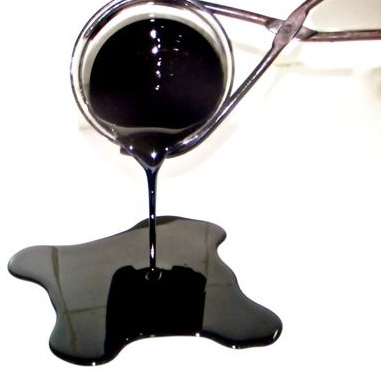
Liquid asphalt, also known as asphalt emulsion or asphalt binder, is a mixture of asphalt, water, and emulsifying agents. Unlike traditional solid asphalt, which is used primarily for paving and road construction, liquid asphalt is in a fluid state, making it easier to apply in various situations, especially when dealing with repairs or specific coating needs.
It is typically used in colder weather conditions or for projects where applying solid asphalt would be impractical. Liquid asphalt provides a flexible, waterproof coating that adheres well to a variety of surfaces, making it a popular choice for maintenance and sealing applications.
Properties of Liquid Asphalt
Liquid asphalt has several important properties that make it effective in various applications:
- Flexibility
- One of the main advantages of liquid asphalt is its flexibility. It can conform to various surfaces and easily fill cracks or gaps, which makes it ideal for repairs and maintenance.
- Waterproofing
- Liquid asphalt provides excellent waterproofing properties. Once applied, it forms a durable, water-resistant surface, protecting roads, foundations, and roofs from moisture and water damage.
- Adhesion
- Liquid asphalt has strong adhesive properties, allowing it to bond effectively to many materials, including concrete, wood, metal, and other asphalts.
- Ease of Application
- As a liquid, it is much easier to apply than solid asphalt. It can be sprayed, brushed, or poured onto surfaces, making it a highly adaptable solution for various applications.
- Durability
- Once set, liquid asphalt forms a durable, resilient surface that can withstand heavy traffic, harsh weather conditions, and wear over time.
Uses of Liquid Asphalt

Liquid asphalt is used in several different industries and for various applications. Here are the most common uses:
- Road and Pavement Maintenance
- One of the primary uses of liquid asphalt is in road and pavement maintenance. It is often applied to repair cracks, potholes, and other surface damage. Liquid asphalt seals the cracks and provides a smooth surface for vehicles to travel on.
- Waterproofing
- Liquid asphalt is often used to waterproof surfaces such as roofs, foundations, and basements. By creating a protective coating, it prevents water from seeping into the structure, extending its lifespan and protecting it from water damage.
- Sealcoating
- Liquid asphalt is a key component in sealcoating applications, where it is used to coat and protect the surface of asphalt driveways, parking lots, and roads. This protective layer enhances the durability of the pavement and improves its appearance.
- Paving
- While traditional asphalt is typically used for large-scale paving projects, liquid asphalt is also used in certain paving applications, especially when more flexibility is needed. It is often mixed with aggregates to create asphalt mixtures for new roads or to repair existing pavement.
- Damp Proofing
- In construction, liquid asphalt is applied as a damp-proofing agent to prevent moisture infiltration in foundations, walls, and other structural elements. It is particularly useful in preventing damage caused by water during the construction phase.
- Road Base and Subsurface Sealing
- Liquid asphalt can also be used as a sealing agent for the base layer of roads or as a subsurface barrier. This helps protect the structural integrity of the road by preventing moisture from weakening the underlying materials.
Advantages of Liquid Asphalt
Liquid asphalt offers several advantages over other forms of asphalt and materials. Some of the key benefits include:
| Advantage | Description |
|---|---|
| Ease of Application | Can be applied using spray, brush, or pour techniques, making it ideal for repair work and maintenance. |
| Waterproofing | Provides a durable, water-resistant surface that protects structures from moisture. |
| Cost-Effective | Liquid asphalt is often more economical than other materials, particularly for repairs and maintenance. |
| Versatility | Suitable for a variety of applications, including sealing, damp-proofing, and waterproofing. |
| Long-Lasting | Once applied and cured, it forms a strong, durable coating that extends the life of roads, roofs, and other surfaces. |
| Environmentally Friendly | Modern formulations of liquid asphalt are often designed to be more eco-friendly by reducing the need for high-temperature asphalt production. |
Differences Between Liquid Asphalt and Other Types of Asphalt
While liquid asphalt shares many properties with traditional asphalt, it differs in terms of application and consistency:
- Liquid Asphalt vs. Pure Asphalt
- Pure asphalt is solid at room temperature and used primarily in paving and road construction, while liquid asphalt is in a liquid state, making it more suitable for repairs and maintenance. Liquid asphalt is also easier to apply and can be used in colder temperatures, while pure asphalt requires higher temperatures for use.
- Liquid Asphalt vs. Modified Asphalt
- Modified asphalt involves the addition of polymers or rubber to enhance the material’s properties, such as flexibility and resistance to extreme temperatures. Liquid asphalt, on the other hand, is typically a simpler formulation and is often used for specific tasks like sealing and waterproofing.
- Liquid Asphalt vs. Emulsified Asphalt
- Both liquid asphalt and emulsified asphalt are similar, but emulsified asphalt is specifically created by suspending asphalt in water using emulsifiers. This allows emulsified asphalt to be used in colder conditions and is often used for surface treatments and small-scale applications.
Liquid asphalt is a highly effective material used in various construction and maintenance applications. Its flexibility, ease of application, and waterproofing properties make it a go-to solution for road repairs, paving, waterproofing, and sealing. Whether used for sealing cracks in roads, waterproofing roofs, or providing a protective layer on driveways, liquid asphalt continues to be a vital component in modern infrastructure and construction.
With its cost-effectiveness and long-lasting results, liquid asphalt remains a key material in maintaining the integrity and durability of roads, buildings, and other structures worldwide.


